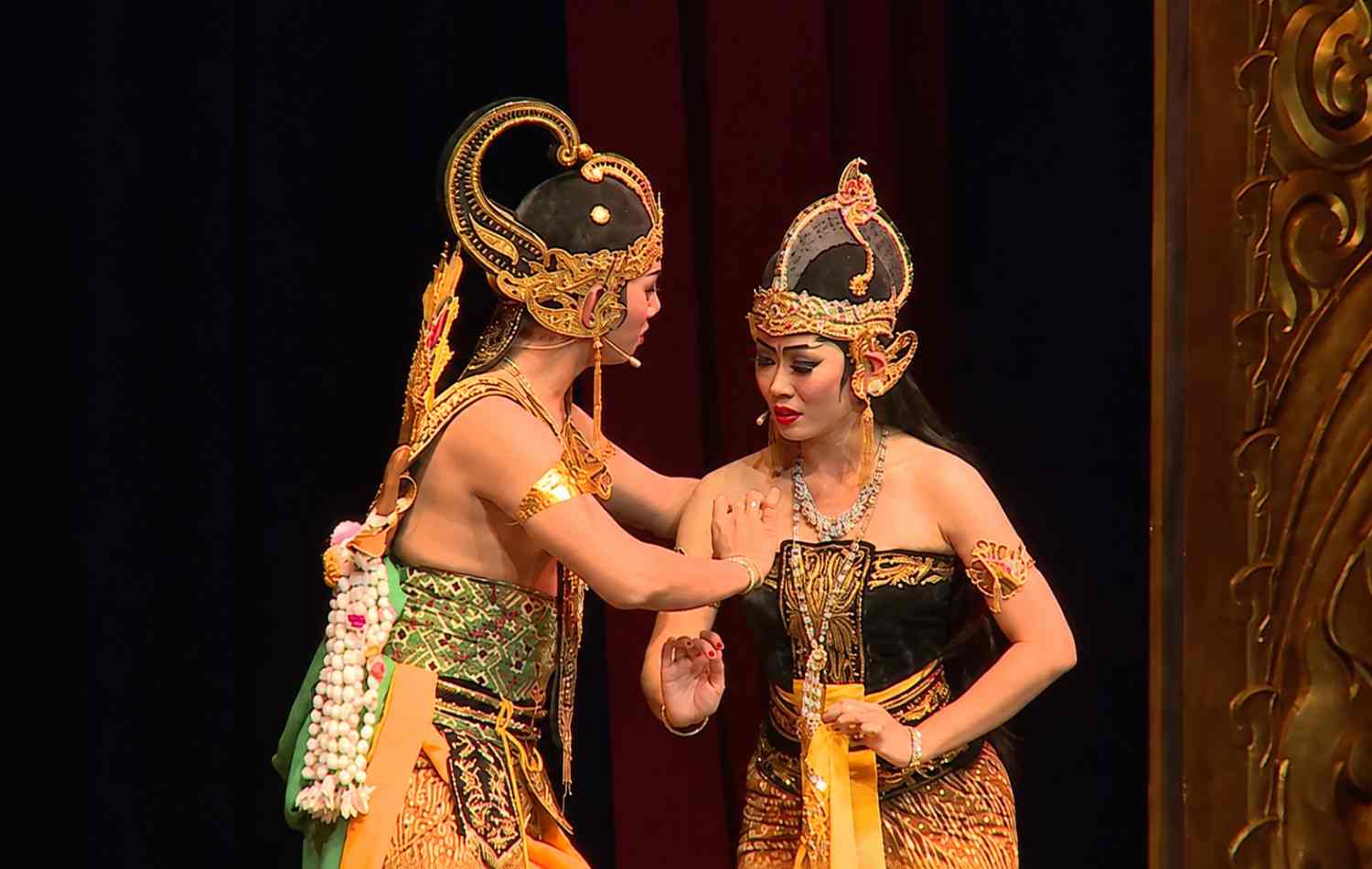
The Ramayana dance drama Yogyakarta is a fascinating cultural performance that combines traditional Javanese dance, music, costumes, and storytelling. Most well-known version takes place at Prambanan, where the famous Ramayana story comes to life through movement and dramatic staging. The performance offers travelers an opportunity to experience Javanese culture while learning about one of the region’s best-known traditional stories.
What Is the Ramayana Dance Drama?
The Ramayana dance drama is also known as Sendratari Ramayana or Ramayana Ballet. It presents the story of Rama, Sita, and Ravana through dance rather than conventional spoken theater. At Prambanan, the production adapts the epic into a Javanese artistic style.
The performance uses choreography, facial expressions, costumes, stage lighting, and music to communicate the story. Dancers do not normally speak dialogue during the performance. Gamelan music supports the scenes and helps create changes in mood, from peaceful moments to dramatic battles.
The story follows Rama’s journey as he tries to rescue Sita from Ravana. Characters such as Lakshmana and Hanuman also play important roles. Understanding these main characters before the show can make the performance easier to follow.
Why Is the Yogyakarta Performance Special?
The Prambanan production has a strong connection with the temple complex. The Ramayana story also appears in reliefs at Prambanan, creating a meaningful relationship between the ancient monument and the performing arts.
Outdoor performances place Prambanan Temple behind the stage. As the evening progresses, lighting highlights the dancers while the temple creates a dramatic background. The combination of architecture, music, dance, and storytelling gives visitors an experience that differs from a standard theater production.
The official performance information states that the Prambanan Ramayana Ballet has been presented since 1961, with more than 200 dancers and musicians participating throughout its history.
Travelers who want more detailed information can explore this complete guide to the Ramayana Ballet in Yogyakarta before planning their visit.
Where Can You Watch the Performance?
The Prambanan Ramayana Ballet uses different venues depending on the season. The official 2026 schedule lists indoor performances at the Trimurti Stage and outdoor performances at the Amphi Theatre or Open Air Theatre during specific periods. From May through October 2026, the outdoor Ramayana performance takes place at the Open Air Theatre on Tuesdays, Thursdays, and Saturdays from 7:30 PM to 9:00 PM.
Visitors should check the latest schedule because performance dates and venues can change.
Another option is the Ramayana Ballet at Purawisata in central Yogyakarta. This separate production presents the story through Javanese dance, live gamelan, and four acts. Its current schedule lists Ramayana performances on Monday, Wednesday, Friday, and Saturday evenings at 7:30 PM.
Tips for Watching the Ramayana Dance Drama
Arriving early can make the experience more comfortable. The official Prambanan ticket information recommends arriving 30–45 minutes before the scheduled start time. This allows visitors to complete ticket validation and find their seats without rushing.
For outdoor shows, visitors should also prepare for changing weather. If rain occurs before the performance begins, the show may move to the Trimurti Indoor Theatre.
Travelers can include the performance in a wider itinerary by visiting Prambanan during the afternoon and enjoying dinner before the evening show. Those interested in exploring more destinations can also discover Yogyakarta travel experiences and combine cultural attractions with other activities.
The Ramayana dance drama Yogyakarta offers more than an evening show. It brings an ancient epic into a living Javanese performance tradition through dance, gamelan, costumes, and dramatic storytelling. For travelers interested in culture, history, and traditional arts, it can become a memorable part of a Yogyakarta journey.