Global wholesale coconut charcoal briquette suppliers play an important role in supporting international distributors, importers, and large scale businesses that require consistent charcoal supply. Many industries depend on coconut charcoal briquettes because they provide stable heat and long burning duration.
Coconut shell charcoal briquettes are widely used in hookah lounges, barbecue restaurants, and retail charcoal markets. These briquettes produce minimal ash and maintain steady burning performance during use.
Distributors that serve multiple regions often search for global suppliers that can maintain large production volumes and reliable export logistics. Stable supply chains allow businesses to maintain product availability in different markets.
If you want to explore companies that export charcoal products internationally, you can visit wholesale coconut charcoal briquette suppliers to find manufacturers that supply coconut charcoal briquettes to global buyers.
Rising Global Demand for Coconut Charcoal
The global demand for coconut charcoal briquettes continues to grow as the hookah and barbecue industries expand worldwide. Businesses search for charcoal that provides reliable heat and efficient burning performance.
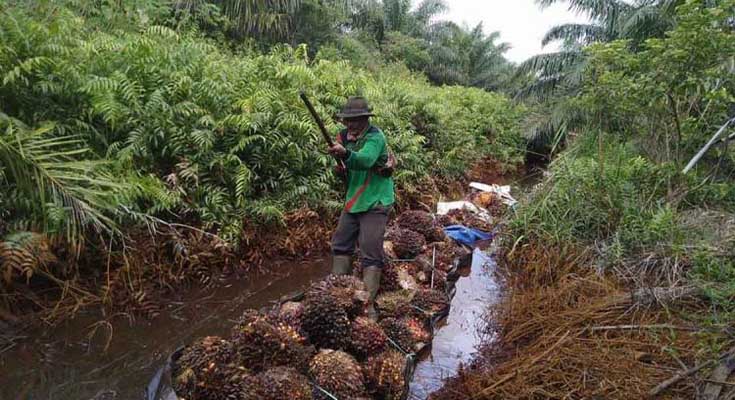
Manufacturers produce coconut charcoal from coconut shells, which serve as the main raw material. Producers carbonize the shells through controlled heating before crushing the charcoal into fine particles.
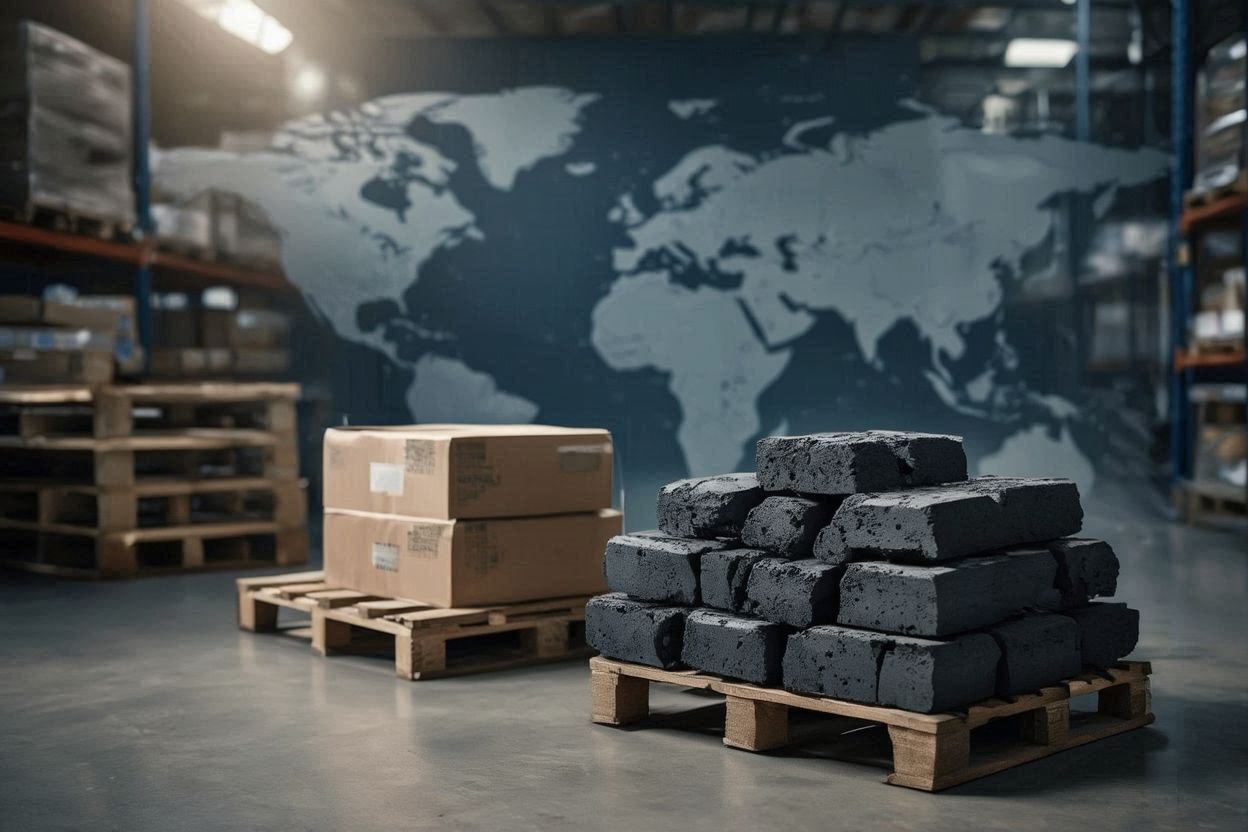
Manufacturers then mix the charcoal powder with natural binders and compress the mixture into briquette shapes such as cubes or hexagonal blocks. This process creates charcoal products that burn evenly and maintain stable temperature.
Characteristics of Global Wholesale Suppliers
Global wholesale suppliers maintain strict production standards to ensure consistent product quality. Manufacturers monitor ash levels, moisture content, and fixed carbon percentage during production.
Production capacity is another important factor for international buyers. Distributors prefer suppliers that can produce large quantities while maintaining the same quality across every shipment.
Reliable exporters also prepare proper packaging systems and export documentation. These preparations help ensure safe transportation during international shipping.
Industries That Use Coconut Charcoal Briquettes
The hookah industry represents one of the largest markets for coconut charcoal briquettes. Hookah lounges require charcoal that burns evenly and produces minimal odor.
The barbecue industry also uses coconut charcoal because it maintains stable cooking temperatures. Restaurants and catering businesses often purchase charcoal in bulk quantities.
Retail distributors supply charcoal products to stores that sell barbecue equipment and hookah accessories. These retailers depend on global suppliers to maintain product availability.
How Importers Choose Global Suppliers
Importers usually evaluate suppliers before placing large orders. Buyers often request product samples to test burning duration, ash levels, and overall charcoal performance.
Buyers also review export experience, production capacity, and packaging standards. Suppliers that regularly serve international markets usually maintain stronger logistics systems.
You can also learn more about coconut charcoal briquette production and international supply networks by visiting webcabmarketing.com, which provides information about charcoal manufacturing and global distribution.
Global Opportunities in the Charcoal Trade
The international charcoal market continues to expand as businesses search for efficient fuel products. Coconut charcoal briquettes remain a preferred option because they provide stable burning performance.
Distributors often establish long term partnerships with global wholesale coconut charcoal briquette suppliers to maintain stable inventory and product consistency.
Strong cooperation between manufacturers and distributors supports the continued growth of the global charcoal industry.