How to bbq with charcoal grill requires proper preparation and heat management from the beginning. Many grillers struggle with unstable temperatures and uneven cooking. Therefore, understanding correct techniques improves flavor and efficiency. Moreover, proper charcoal arrangement ensures consistent heat distribution throughout the session.
How to BBQ with Charcoal Grill Preparing the Setup Correctly
Preparation determines overall grilling performance. First, clean the grill grate to remove leftover residue. Consequently, airflow improves and food flavor remains pure. Next, arrange charcoal evenly at the bottom chamber. Therefore, heat spreads consistently across the cooking surface.
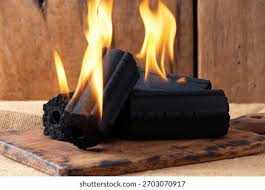
Additionally, use quality charcoal briquettes for predictable combustion. Briquettes maintain steady temperatures due to uniform density. In contrast, irregular lump charcoal pieces may create uneven heat zones. As a result, food may cook inconsistently without frequent adjustments.
How to BBQ with Charcoal Grill for Two Zone Cooking
Two zone cooking increases flexibility during barbecuing. First, place more charcoal on one side of the grill. Then, leave the other side with fewer briquettes. Consequently, you create direct and indirect heat zones easily.
Direct heat works well for searing meat quickly. Meanwhile, indirect heat supports slow cooking and thicker cuts. Therefore, you control doneness more precisely. Furthermore, adjust the bottom vents gradually to regulate oxygen flow. As a result, temperature remains stable during the cooking process.
For additional step by step guidance, review how to bbq with charcoal briquettes to understand detailed lighting and arrangement techniques.
Managing Temperature and Fuel Efficiency
Temperature control directly affects cooking results. First, wait until briquettes turn partially gray before placing food. Consequently, the grill reaches optimal cooking conditions. Moreover, avoid adding raw charcoal suddenly during cooking. Therefore, you prevent temperature spikes and smoke imbalance.
Briquettes burn longer due to compact compression. As a result, they reduce frequent refueling interruptions. Additionally, stable burning helps maintain consistent heat during long sessions. In contrast, lump charcoal burns hotter but faster. Therefore, it may require additional fuel adjustments.
Safety and Maintenance Tips
Safety must always remain a priority. First, position the grill in a well ventilated outdoor area. Consequently, smoke disperses safely and efficiently. Additionally, never leave a burning grill unattended. Therefore, you minimize potential fire risks.
After cooking, close the air vents completely. As a result, remaining charcoal extinguishes naturally. Furthermore, remove ash buildup regularly to maintain proper airflow. Consistent maintenance improves long term grill performance.
Why Proper Guidance Matters
Many beginners overlook airflow and charcoal placement strategies. However, proper structure significantly improves barbecue consistency. Therefore, learning correct methods benefits both home users and business operators.
For broader information and helpful resources, visit https://woodlandscarsales.com. The website provides structured content that supports informed decisions. Moreover, reliable references strengthen confidence before purchasing charcoal products in bulk.
Conclusion
In conclusion, mastering how to bbq with charcoal grill requires preparation, airflow control, and fuel management. Briquettes offer stable heat and longer burn duration. Therefore, they support consistent and efficient cooking sessions.
By applying two zone setups and gradual vent adjustments, grillers improve results significantly. Furthermore, regular maintenance ensures reliable performance over time. Ultimately, proper technique and trusted resources help users achieve better barbecue outcomes consistently.