Charcoal or briquettes for BBQ is a common debate among grill enthusiasts and bulk buyers. Many users compare heat stability, burn duration, and cooking efficiency carefully. Therefore, understanding both fuel types helps businesses choose wisely. Moreover, the right selection improves consistency and customer satisfaction.
Charcoal or Briquettes for BBQ Understanding Heat Performance
Heat performance directly affects grilling precision and food quality. Briquettes burn steadily and maintain controlled temperatures. Therefore, they support slow cooking effectively. In contrast, lump charcoal burns hotter but fluctuates quickly, so users adjust airflow more often.
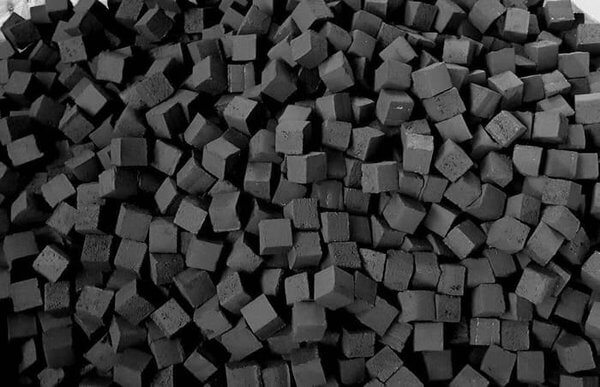
Moreover, briquettes have uniform shapes and density. Consequently, they create balanced airflow. Meanwhile, irregular lump pieces cause uneven heat zones across the grill.
Is Charcoal or Briquettes for BBQ Better for Long Cooking?
Long cooking requires durability and predictable combustion. Briquettes burn longer due to high compression levels. Therefore, restaurants reduce refueling interruptions during peak hours. Additionally, steady heat helps maintain consistent food texture.
However, lump charcoal ignites faster and produces intense initial heat. As a result, it suits quick grilling and searing. Nevertheless, it may burn out faster in extended sessions. For deeper comparison, read briquettes vs charcoal for grilling to understand practical differences clearly.
Efficiency and Cost Comparison
Efficiency influences operational costs and fuel planning strategies. Briquettes provide predictable consumption rates across multiple uses. Consequently, businesses estimate fuel needs more accurately. Moreover, dense composition maximizes burning duration and reduces waste.
In contrast, lump charcoal may require frequent refueling. Therefore, cost efficiency depends on cooking style and grill management. Additionally, irregular shapes cause inconsistent stacking patterns. As a result, airflow adjustments become necessary more often.
Ash Production and Maintenance
Ash management affects cleaning time and equipment longevity. High quality briquettes create compact and manageable ash residue. Therefore, grill maintenance becomes easier after service. Furthermore, stable combustion reduces excessive sparks and smoke.
Meanwhile, lump charcoal produces less ash overall. However, unpredictable sparks may occur during burning. Consequently, operators must monitor safety conditions carefully.
Sustainability and Sourcing Considerations charcoal or briquettes for bbq
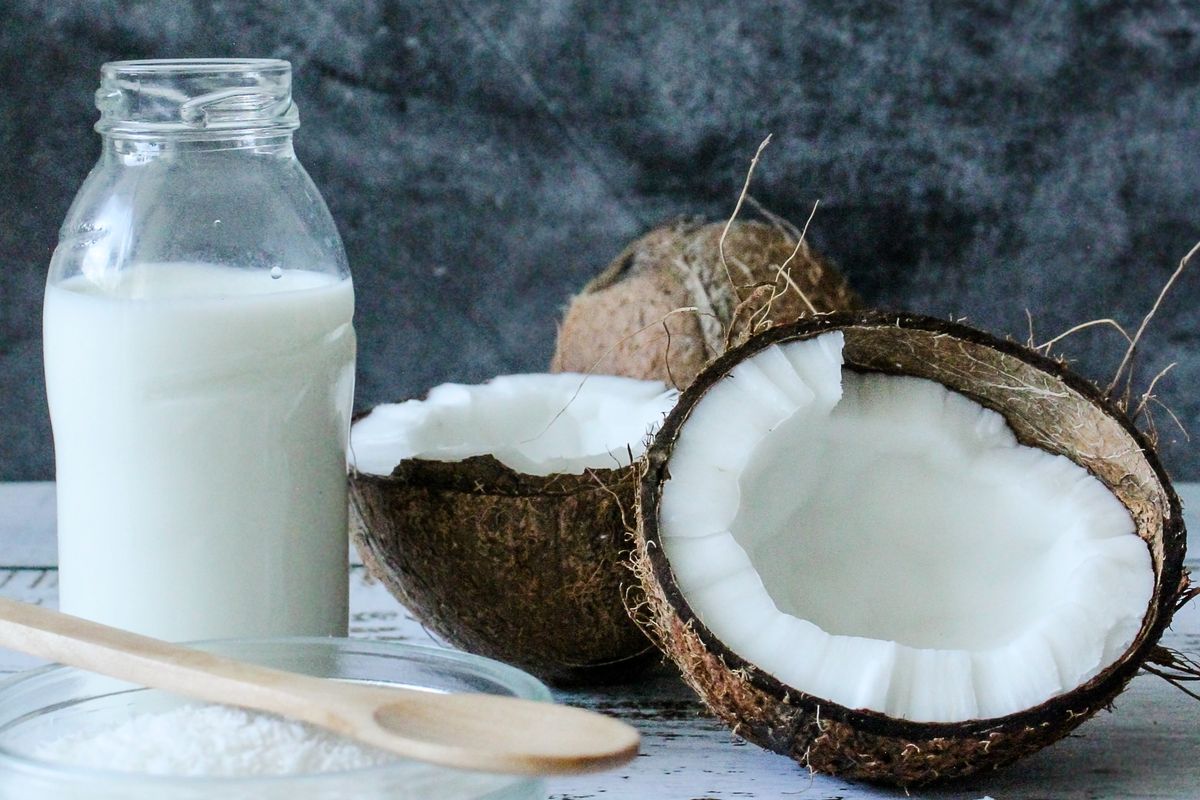
Material sourcing plays an important role in modern BBQ operations. Coconut shell briquettes utilize agricultural waste effectively. Therefore, they support environmentally responsible production practices. Moreover, high fixed carbon content enhances heat output and efficiency.
In comparison, lump charcoal relies heavily on hardwood resources. Consequently, sustainability depends on responsible forestry management. Buyers should evaluate supply chains carefully before large scale purchases.
Why This Comparison Matters for Buyers charcoal or briquettes for bbq
Many distributors and restaurant owners research fuel options before committing to suppliers. Therefore, they rely on trusted resources for objective information.
Moreover, the homepage at https://audiodeficitmedia.com supports broader industry knowledge. As a result, buyers strengthen purchasing strategies and reduce sourcing risks. In addition, educational content builds stronger decision confidence in competitive markets.
Conclusion
In conclusion, briquettes offer stable heat, longer burn time, and predictable performance. Therefore, they suit commercial BBQ operations and extended cooking sessions. Meanwhile, lump charcoal provides fast ignition and high peak temperatures.
Ultimately, the choice between charcoal or briquettes for BBQ depends on cooking goals. However, businesses prioritizing consistency and efficiency often prefer briquettes. By studying reliable comparisons and industry resources, buyers make informed and profitable decisions.