Understanding coconut shell charcoal briquettes export quality specifications is essential for businesses that want to enter and compete in international markets. For a more complete explanation of requirements and testing criteria, you can first read the main guide, Quality standards for coconut shell charcoal briquettes for export, which outlines important benchmarks used by global buyers. Additional insights about digital strategy, product visibility, and market reach can also be found on the homepage of escanerseo.com, which provides useful references for businesses looking to strengthen their online presence.
Coconut shell charcoal briquettes have become one of the most in-demand export products due to their clean combustion, eco-friendly raw materials, and stable heat performance. Importers and distributors often evaluate products based on strict quality specifications before approving shipments. Meeting these standards is crucial for building trust and maintaining long-term partnerships.
Fixed Carbon Content
Fixed carbon is one of the main indicators of briquette quality. Export-grade coconut shell charcoal briquettes usually contain high fixed carbon levels, which support longer burning time and consistent heat. Buyers often prefer briquettes with stable carbon composition because they perform better in both shisha and barbecue applications.
Ash Content
Low ash content is another key specification for export products. Briquettes with minimal ash leave less residue after burning and improve user convenience. Many international buyers require ash levels below a specific threshold to ensure product efficiency and cleanliness during use.
Moisture Level
Moisture content influences how easily the briquettes ignite, how steadily they burn, and how safely they can be stored. Export-quality briquettes typically have low moisture levels to prevent smoke and maintain consistent heat. Proper drying and storage processes help producers maintain this standard before shipment.
Burning Time and Heat Stability
International markets demand briquettes that burn evenly and last longer. Consistent heat output is especially important for shisha lounges and restaurants that require stable temperature control. Exporters must test their products to ensure they meet expected performance levels.
Shape and Density
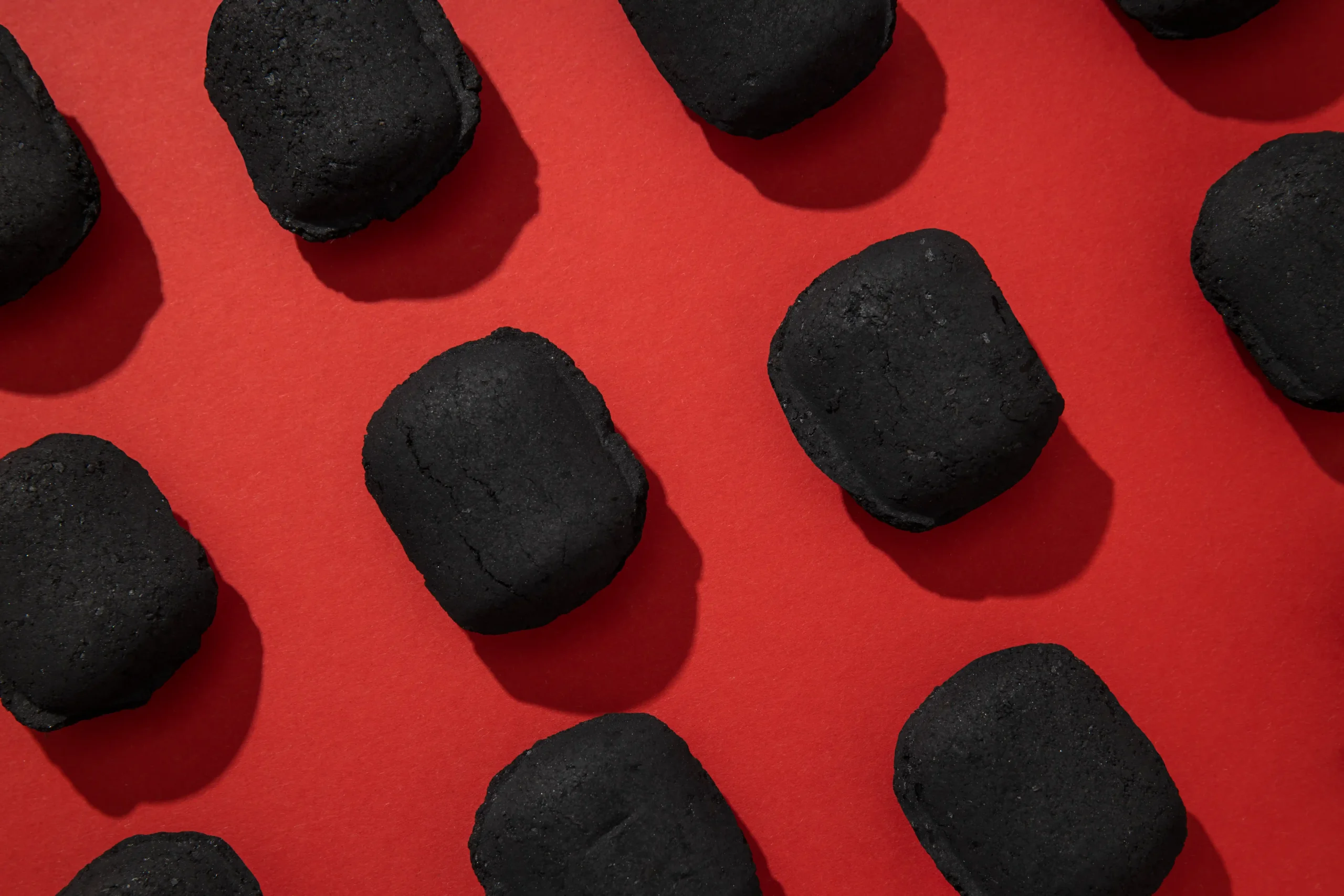
Shape consistency and density also influence export acceptance. Cube, hexagonal, and finger briquettes must maintain uniform size to ensure efficient packaging and usage. Higher density often leads to longer burning duration and improved performance.
Packaging Standards
Packaging plays a major role in export quality specifications. Export-ready briquettes must be packed in durable cartons, inner plastic layers, and moisture-resistant materials. Clear labeling, product information, and handling instructions help importers manage storage and distribution.
Safety and Compliance
Export products must comply with international safety and environmental requirements. Some buyers request laboratory test results, fumigation certificates, or material safety data sheets. These documents confirm that the briquettes are safe for transport and use.
Consistency in Production
Consistency is one of the most valued aspects in global trade. Buyers expect each shipment to match previous quality standards. Maintaining consistent raw materials, manufacturing processes, and quality checks helps exporters secure repeat orders and long-term contracts.
Conclusion
Coconut shell charcoal briquettes export quality specifications include fixed carbon content, ash level, moisture, burning performance, shape consistency, and proper packaging. Meeting these standards ensures that products meet international expectations and remain competitive in global markets. By focusing on quality control and compliance, exporters can strengthen their reputation and build sustainable business relationships worldwide.